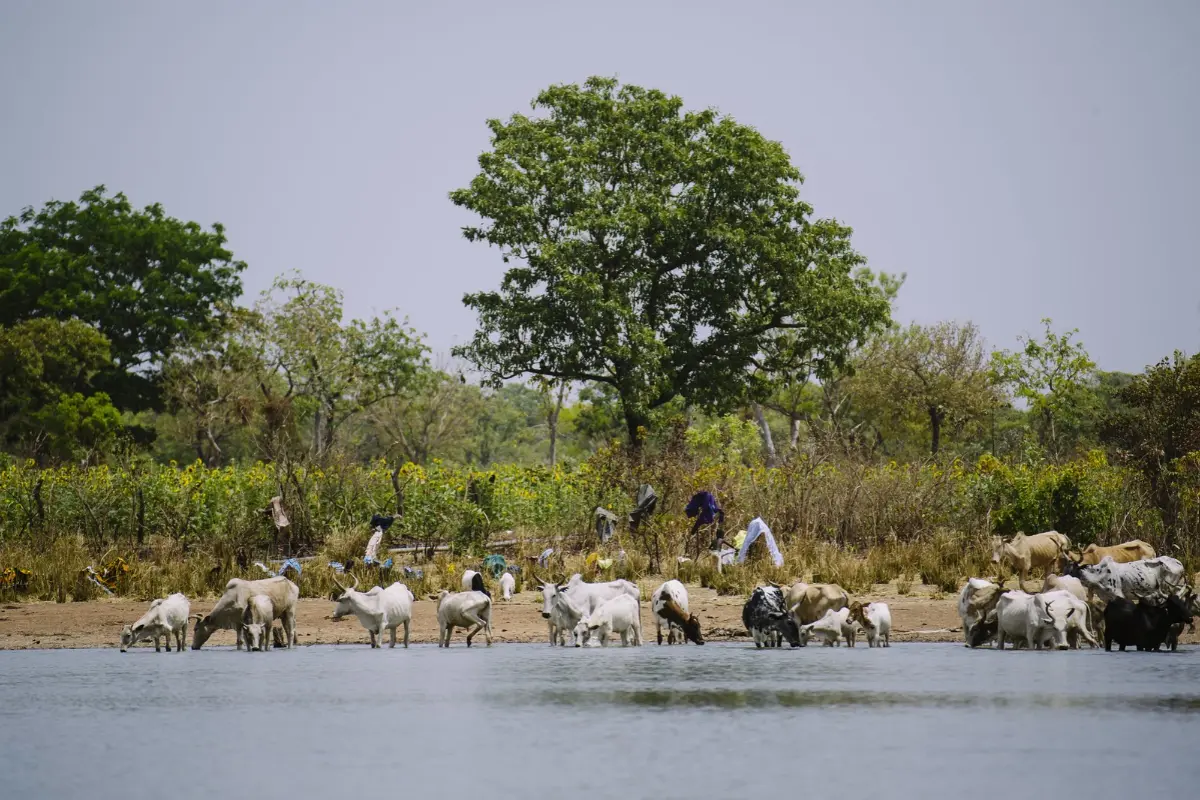
Livestock and people depend on shared water resources in rural Burkina Faso. Photo by Olivier Girard / Landscape Alliance
By Monica Evans
22 Oct. 2026 — Don’t lose sight of the landscapes beyond protected areas, urge scientists as countries count progress towards the global biodiversity framework in Yerevan.
This content was originally posted on Forests News and features a section on “sustainable use.”
“Thirty by thirty” has become the biodiversity world’s best-known catchphrase. Target 3 of the Kunming-Montreal Global Biodiversity Framework (KMGBF) commits countries to effectively conserving at least 30% of the world’s land, inland waters and coastal and marine areas by 2030. As delegates gather in Yerevan, Armenia, this week for the 17th Conference of the Parties to the UN Convention on Biological Diversity (CBD COP17), that target will be under close scrutiny in the first global review of the framework’s progress.
The 30×30 ambition has captured global attention, mobilized commitments and given conservation a clear, measurable goal. But protecting 30% of the planet will mean little if biodiversity continues to decline across the remaining 70%. Delivering that ambition depends on how 30×30 works alongside the KMGBF’s other land-based targets — Target 2 on restoration and Target 10 on sustainable agriculture and forestry — across the landscapes where much of the world’s terrestrial biodiversity lives. Biodiversity conservation cannot stop at the boundaries of protected areas; it depends on how entire landscapes are managed.
…
The sustainable use question
Sustainable use and biodiversity conservation are often framed as competing priorities. Yet when properly managed, they can reinforce one another — protecting wild species populations while sustaining the livelihoods, nutrition and cultural practices of people who depend on them. This relationship is reflected in two of the KMGBF’s targets: Target 5 aims to ensure that the use, harvesting and trade of wild species is sustainable, safe and legal, while Target 9 seeks to ensure that sustainable use continues to benefit people, particularly communities dependent on biodiversity.
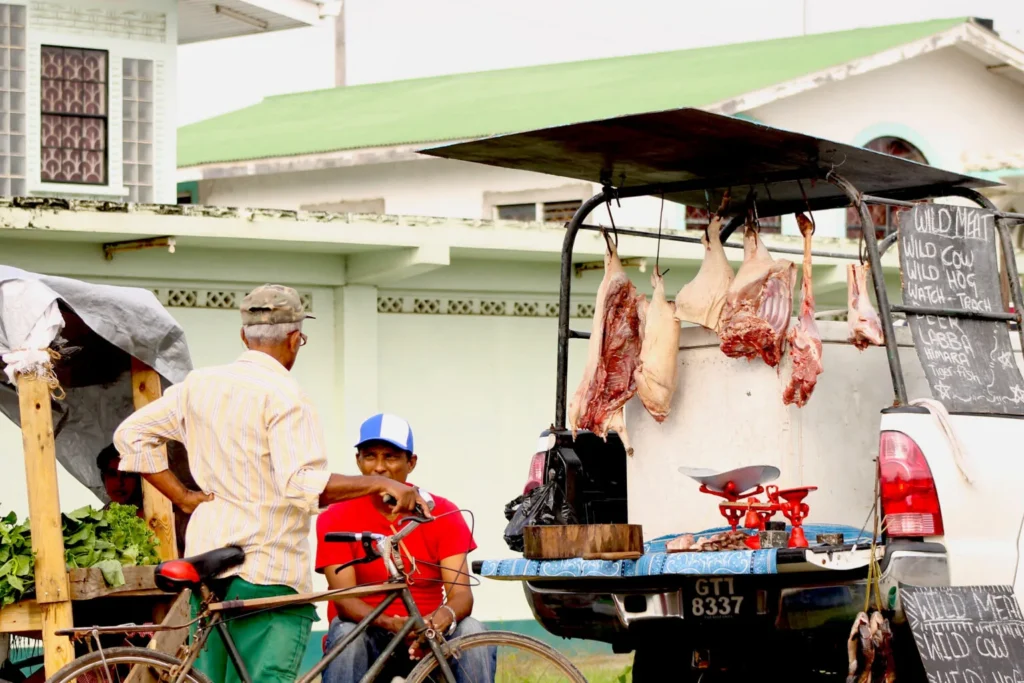
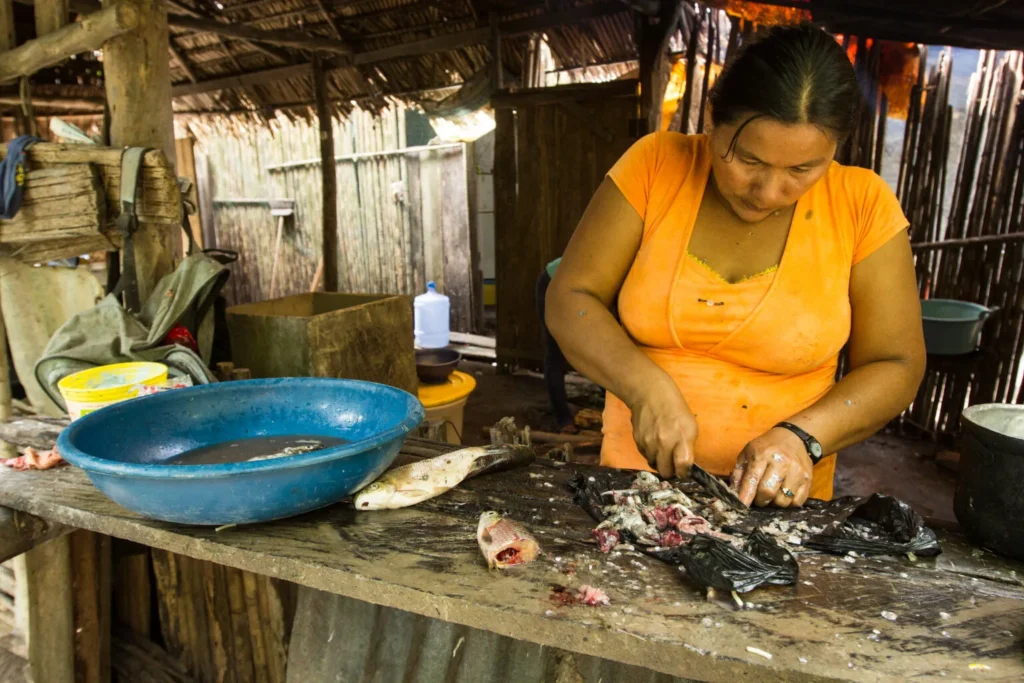
Balancing the two is no simple task. Wildlife hunting, for example, is frequently seen solely negatively, as a biodiversity threat and source of zoonotic disease. “Overexploitation of wild species, including overhunting, is a major driver of biodiversity loss,” acknowledges Lauren Coad, Landscape Alliance senior scientist and biodiversity focal point. “But it is also an important source of nutrition, income and cultural connection for more than 150 million households in the Global South.”
A recent Landscape Alliance-linked study found that wild meat food systems are the “backbone” of food security for more than 11 million people across Amazonia, and are critical for the cultural identities and territorial rights of Indigenous Peoples, traditional communities and smallholder farmers.
Other Landscape Alliance-led research shows that across 12,000 households in Central Africa, wild meat provided 20% of rural people’s recommended daily protein. Yet it also found that urban consumption was growing rapidly, increasing demand and raising the urgency of sustainable management strategies. The authors concluded that reducing urban consumption is crucial for keeping wildlife populations thriving and wild meat available for rural communities.
Comparable evidence from Asia and the Pacific remains limited. A systematic mapping exercise covering research on wild meat use in Southeast Asia from 2000 to 2023 found that studies were concentrated in a few countries, with Singapore, Brunei and Timor-Leste each represented by just one study. Research has also focused largely on documenting hunting frequency, quantities and prices, with less attention to the social drivers of wild meat use, zoonotic disease mitigation and the effectiveness of interventions. Through regional research and initiatives such as the Wild Meat Dialogues, Landscape Alliance and its partners are working to address these gaps through regional research on wild meat use, consumption and trade, including their implications for food security, livelihoods and biodiversity conservation.
These findings show why sustainable use and conservation must be addressed together, rather than through blanket restrictions that overlook local realities. Bans may be necessary in some contexts, particularly for threatened species or where harvesting is unsustainable, but poorly designed restrictions can undermine food security and livelihoods without necessarily reducing demand.
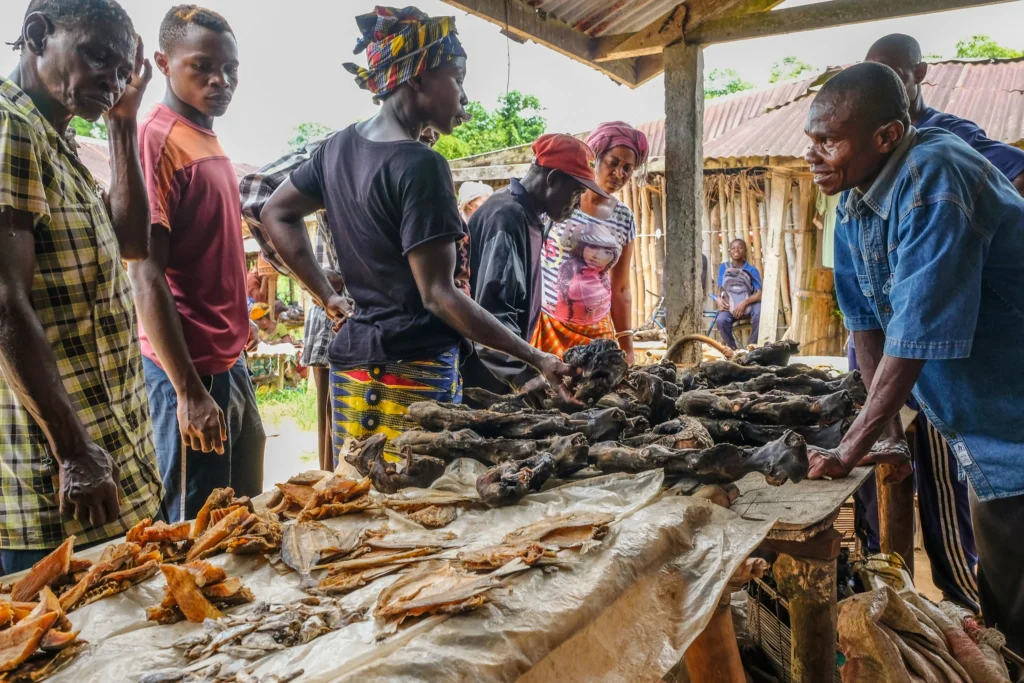
“Bans do not often stop people from consuming or trading wild species, but they can drive these practices underground, making it harder for people to support themselves and increasing the risks of zoonotic disease transmission from unregulated sources of wild species,” says Hani Rocha El Bizi, lead coordinator of the Sustainable Use of Wild Species Transformative Partnership Platform (SU-TPP) and scientist with the Landscape Alliance COP17 delegation.
“We support context-specific policies and management frameworks that build trust with those who depend on wild species for food and income while also conserving healthy wildlife populations for future generations.”