Category: Project news

  • Guyana signs MOU to advance National Biodiversity Monitoring Initiative

    Guyana signs MOU to advance National Biodiversity Monitoring Initiative

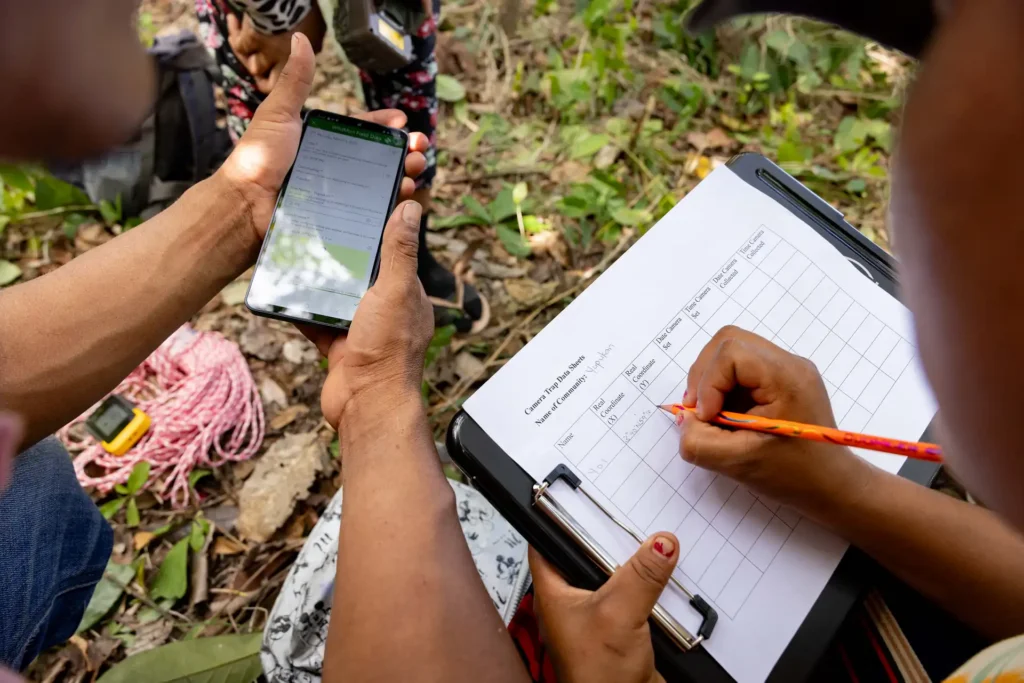
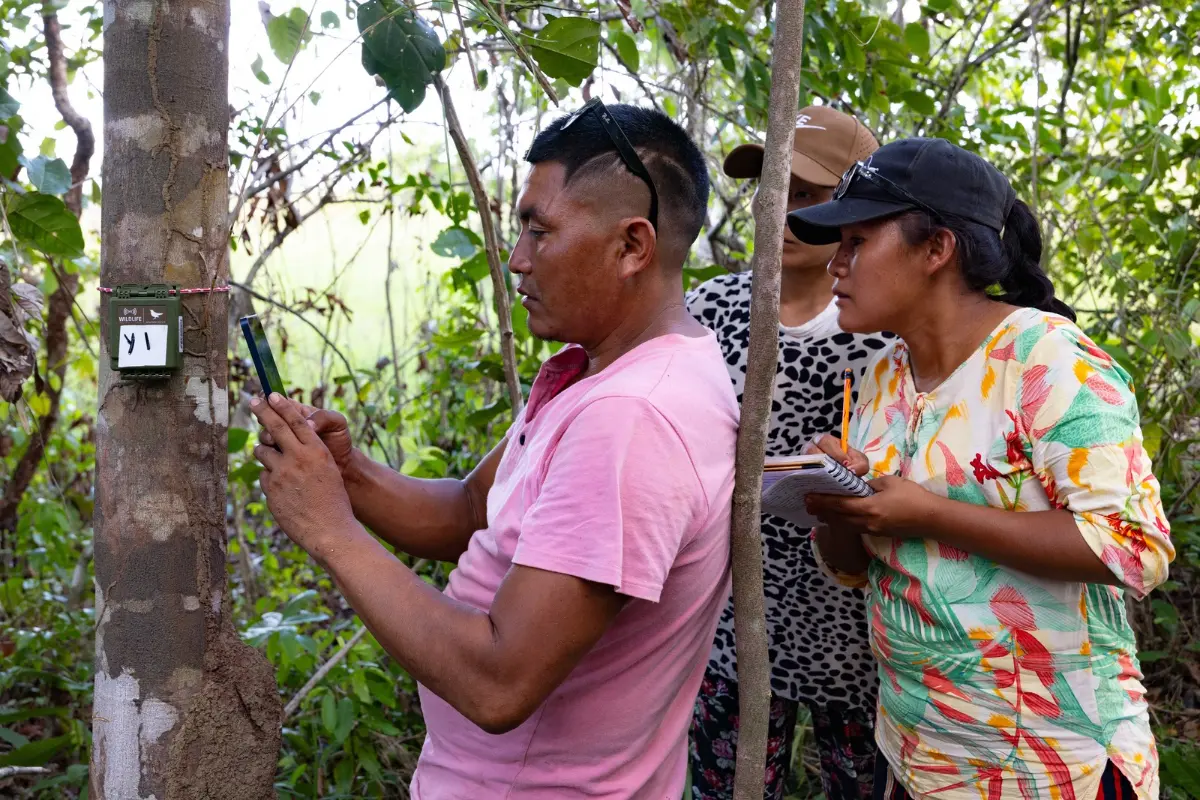
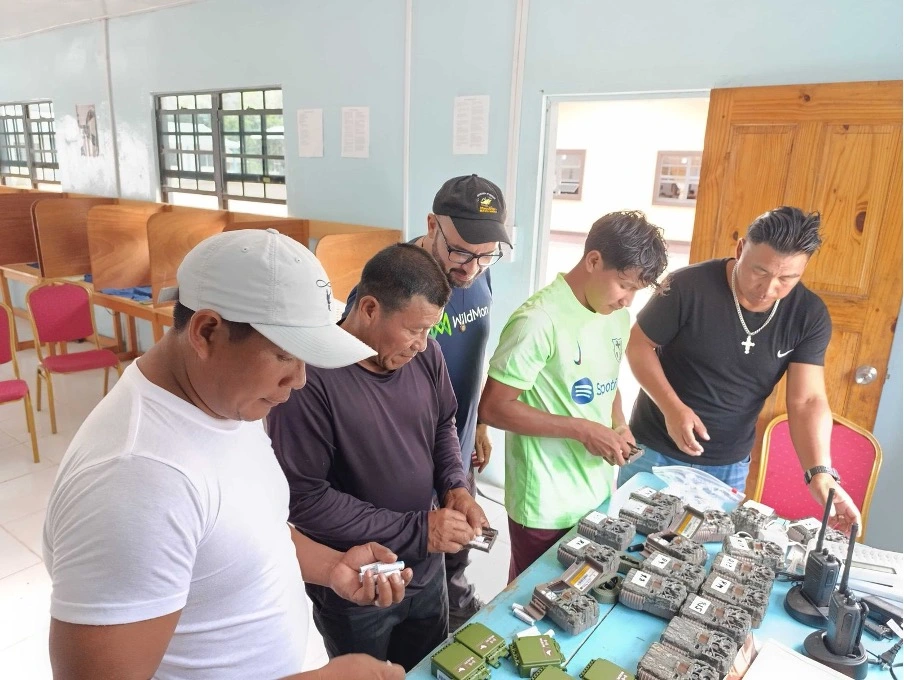
    Camera trap training in the Rupununi, Guyana. Photo by Luke McKenna/Landscape Alliance

    The partnership pilots community-managed biodiversity monitoring in and around Iwokrama, building on early results from seven Rupununi communities.


    28 Oct. 2026 — The Government of Guyana signed a Memorandum of Understanding (MOU) with the Center for International Forestry Research (CIFOR), the Iwokrama International Centre for Rainforest Conservation and Development, the Field Museum, the Yale Center for Biodiversity and Change, and Map of Life Solutions Inc. The agreement, signed in September 2026, supports the rollout and mainstreaming of a National Biodiversity Monitoring Initiative (NBMI) that was first described by President Dr. Mohamed Irfaan Ali at the closing ceremony of the 2025 Global Biodiversity Alliance Summit.

    Partners will deploy a pilot monitoring program in Iwokrama Forest, facilitate information and data sharing, and establish a baseline for more comprehensive agreements. Some of these details will be discussed at the upcoming Global Biodiversity Alliance Summit in Georgetown on Friday, 30 October. 

    “As interest in nature finance grows, so does the demand for reliable biodiversity data,” said Lauren Coad, Senior Scientist and Biodiversity Focal Point at Landscape Alliance (formerly CIFOR-ICRAF).

    “By building capacity in these monitoring methods at local and national levels, we reduce reliance on external expertise, support local careers, and give communities ownership over their data. Just as importantly, we ensure that local and traditional knowledge is recognized as a critical part of understanding and managing biodiversity.”


    Building on community results

    The new MOU builds upon the Guyana Biodiversity Component of the Sustainable Wildlife Management (SWM) Programme. In May 2026, a preliminary report laid out the first results from a comparative monitoring programme across seven Indigenous communities in the Rupununi region: Sawariwau, Aishalton, Maruranau, Apoteri, Rewa, Yupukari and Katoka.  
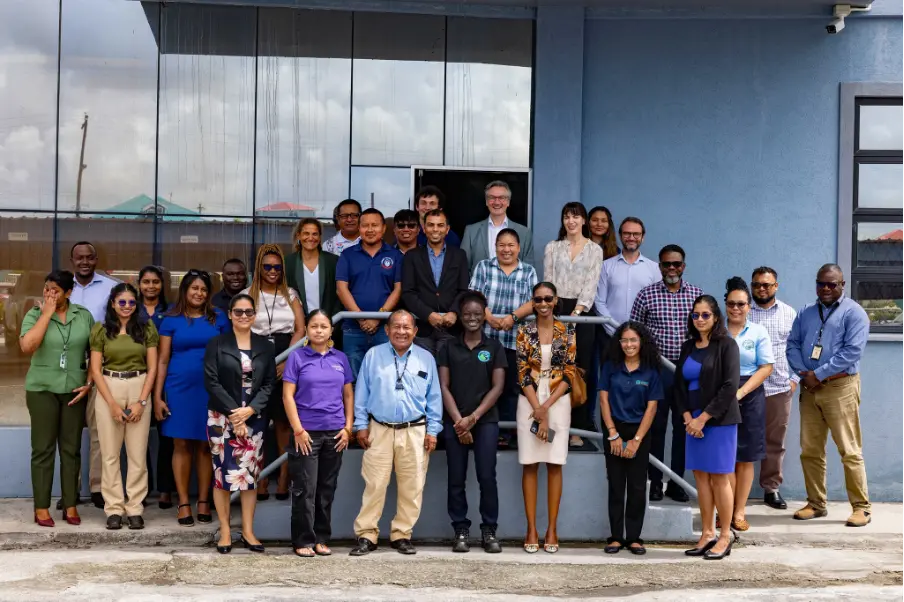
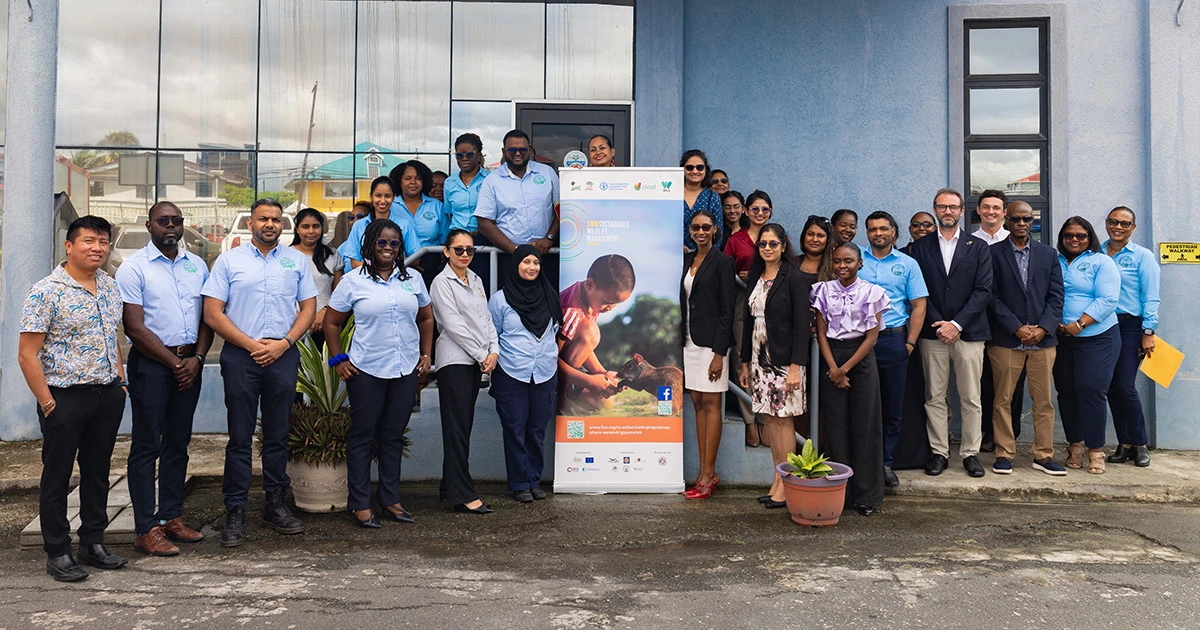
    Participants at the official launching of the Biodiversity Component in Georgetown, Guyana. Photo by Luke McKenna/Landscape Alliance

    The study evaluated three of six monitoring methods employed for the study — camera trapping, passive acoustic monitoring and environmental DNA. Each method captured distinct groups of mammals, birds and fish across forest and savannah habitats, including multiple threatened species. 

    No single approach gave a complete picture of the region’s biodiversity. While camera trapping excelled at detecting larger animals and ground-dwelling birds, acoustic monitoring filled in gaps for birds and amphibians and eDNA enriched the analysis with aquatic species that were not detected by camera traps or soundscapes. 

    After two rounds of data collection between March 2025 and February 2026, a total of 896 species were identified across the seven communities. 
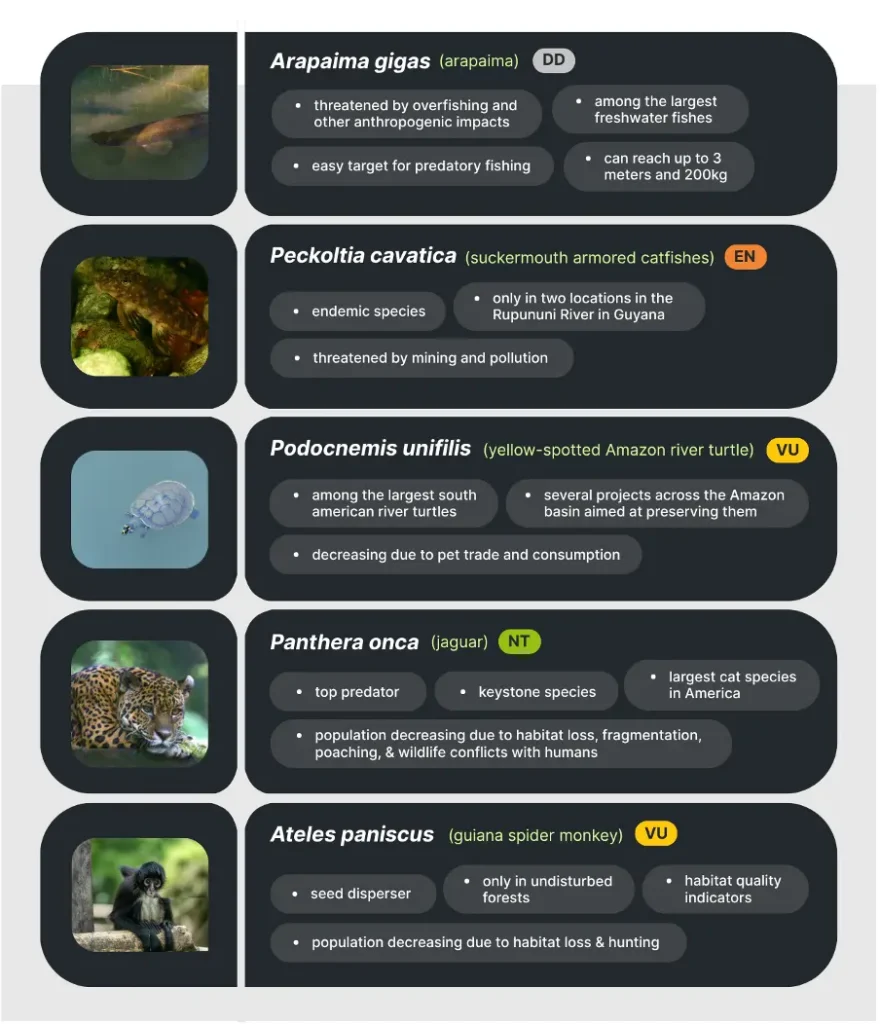
    Key species detected using environmental DNA (eDNA).

    These findings support an integrated framework for Guyana’s NBMI that combines multiple monitoring methods. The team is confident that these approaches offer a scalable, cost-effective way to track ecological change. That matters now more than ever, as infrastructure expansion and climate variability increase pressure on Guyana’s ecosystems and raise the need for timely, locally relevant management decisions. 

    Community ownership at the core

    Community-led monitoring is central to the national initiative. Locally embedded systems reduce operating costs, improve data continuity, strengthen stewardship and allow Indigenous and Local Ecological Knowledge to integrate with scientific methods. 

    The envisioned NBMI is designed so that communities keep control of their data while also contributing to national reporting:

    • Community-managed species data is accessed and managed by village representatives through their village councils.  
    • Data is standardized to a common taxonomy and combined with Map of Life species distribution models so that ground observations can be compared directly with predictions. 
    • Consent and sensitivity controls are in place so that species locations and community information remain private while data flows into the national system. 
    Once data is integrated into the National Biodiversity Information System (NBIS), it will feed into the country’s reporting for the Kunming-Montreal Global Biodiversity Framework (GBF) indicators, including the Species Protection Index, the Species Habitat Index and the Species Information Index. 

    “Biodiversity is in crisis, and decision-makers have been flying blind – lacking the reliable, standardized data they need to act across scales,” said Chrissy Durkin, CEO for Map of Life Solutions.

    “This partnership is changing that. By combining cutting-edge monitoring methods with the knowledge of local communities and indigenous peoples on the ground, and feeding all of it into models that are relevant and decision-ready across time and space, we’re producing biodiversity intelligence that is rigorous enough to shape national policy and trustworthy enough to support nature finance.”


    For media inquiries, please contact: 

    Luke McKenna
    Communications coordinator, SWM Programme Guyana
    luke.mckenna@hotmail.com

    Daniella Silva
    Communications coordinator, Sustainable Use of Wild Species Transformative Partnership Platform (SU-TPP)
    d.silva@cifor-icraf.org


    Acknowledgements

    Map of Life Solutions is powered by the science of the Center for Biodiversity and Global Change at Yale University. Their partnership with CIFOR-ICRAF is funded by the European Commission (EC) and facilitated through the Sustainable Wildlife Management (SWM) Programme. Acoustic monitoring, camera trap monitoring, and AI analysis are provided through Wildmon, while Map of Life Solutions facilitates the eDNA sampling, lab processing, and data integration to produce species distribution models that power standardized metrics. 

    The SWM Programme is a major international initiative that aims to improve the conservation and sustainable use of wildlife in forest, savannah and wetland ecosystems. It is funded by the European Union, with co-funding from the French Facility for Global Environment (FFEM) and the French Development Agency (AFD). Projects are being piloted and tested with governments and communities in 16 participating countries. The initiative is coordinated by a dynamic consortium of four partners, led by the Food and Agriculture Organization of the United Nations (FAO) with the Center for International Forestry Research and World Agroforestry (CIFOR-ICRAF), the French Agricultural Research Centre for International Development (CIRAD) and the Wildlife Conservation Society (WCS).
  • New leadership elected for the Collaborative Partnership on Sustainable Wildlife Management (CPW)

    New leadership elected for the Collaborative Partnership on Sustainable Wildlife Management (CPW)

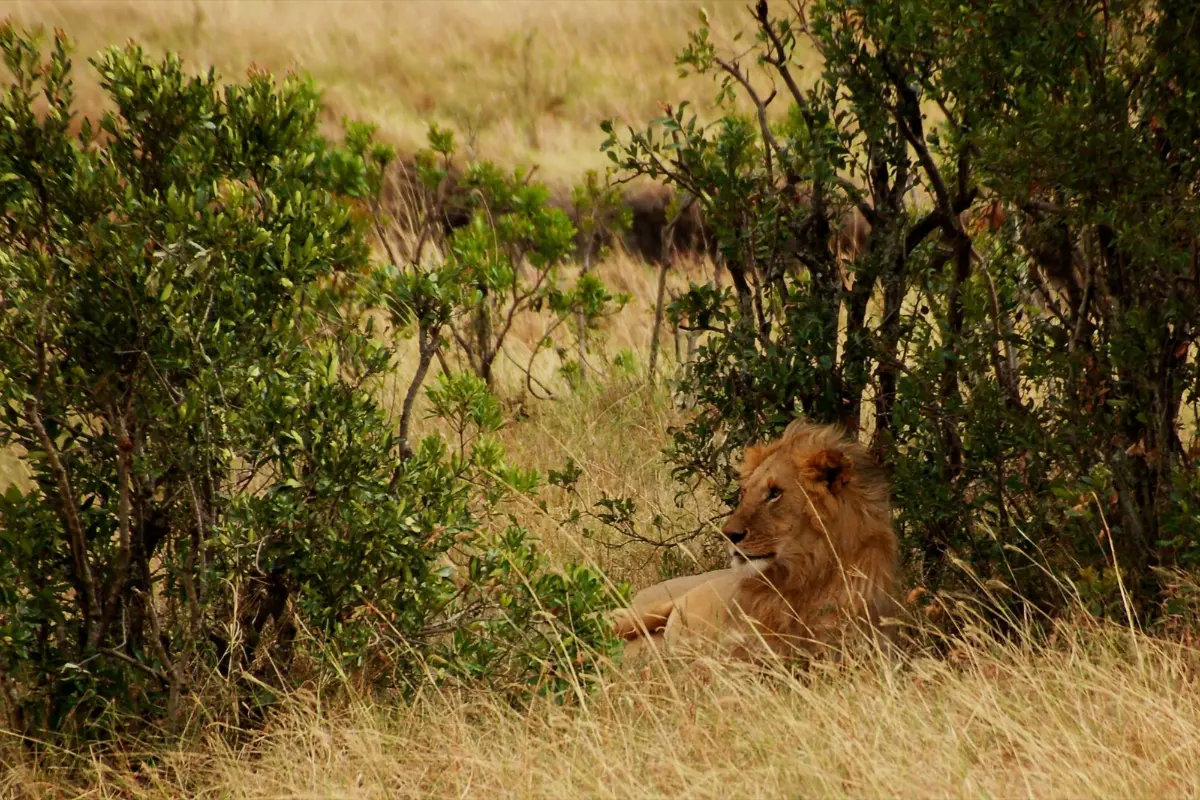
    A male lion (Panthera leo) in Kenya. Photo by Tim Cronin/CIFOR

    26 Oct. 2026 — Hani Rocha El Bizri, Coordinator of the Sustainable Use of Wild Species Transformative Partnership Platform (SU-TPP), was elected Vice Chair of the Collaborative Partnership on Sustainable Wildlife Management (CPW). He will represent Landscape Alliance and share the role with Sarah Ferguson of TRAFFIC.

    The CPW is a voluntary partnership of international organizations with mandates on the conservation and sustainable use of wildlife. It was established in 2013 following Decision XI/25 of the Convention on Biological Diversity (CBD).

    This election took place at the 17th Conference of the Parties to the CBD (COP17) in Yerevan, Armenia, where the CPW continued to facilitate increased cooperation and coordination amongst its members on sustainable wildlife management issues.


    Speaking about her priorities, Ferguson said: “The Multilateral Environmental Agreements (MEAs) sit at the heart of the Partnership, and I am committed to ensuring that their perspectives, priorities and institutional needs are reflected throughout our collective work.” She added that the CPW is most valuable when it responds directly to Parties’ needs, and she intends to explore how to engage them “more regularly and more systematically,” including through MEA governing bodies, side events and dialogues.

    Hani said he was “equally honoured by the trust and confidence” of CPW members, and echoed Sarah’s appreciation for outgoing Chair and Vice Chair, Ivonne Higuero and Dilys Roe, “whose leadership and commitment have been truly inspiring and have left with a such a strong foundation to build upon.”

    “I very much look forward to contributing my own experience, energy and commitment to this new chapter,” he added. “Drawing on my experience working with communities and partners on the ground, I have seen first-hand how important it is to bridge international commitments with local realities. I hope to bring this perspective to our collective efforts, helping translate the CPW’s work into meaningful and practical support for Parties and communities.”

    Hani also thanked members for their confidence and said he looked forward to “listening, learning and working closely” with them and the Secretariat as the CPW builds on its achievements.

  • How will the sustainable use of wild species feature at CBD COP17?

    How will the sustainable use of wild species feature at CBD COP17?

    El Bizri and the other panelists from the the Subsidiary Body on Scientific, Technical and Technological Advice (SBSTTA28) side event: “From use to sustainability: Rethinking the management of wild animals.” SBSTTA28 helped set the scene for sustainable use negotiations at CBD COP17. Photo provided by Hani Rocha El Bizri

    By Daniella Silva

    26 Oct. 2026 — This content was originally posted on Forests News and features a section on “sustainable use.”


    From the animals we eat to the plants we harvest, wild species sustain livelihoods, cultures and communities around the world. But wild species are finite resources, even if renewable. How can we continue to benefit from them without losing the biodiversity we all depend on?  

    The question of ‘sustainable use’ is taking on renewed importance ahead of the 17th meeting of the Conference of the Parties to the Convention on Biological Diversity (UNCBD COP17), as countries work to operationalize the Kunming-Montreal Global Biodiversity Framework (KMGBF).

    “As scientists, we are working at the CBD COP17 to support negotiators with the evidence they need to design plans and policies that balance human use with conservation,” said Lauren Coad, senior scientist and biodiversity focal point at Landscape Alliance. 

    The scientists’ work on sustainable use at COP17 will focus on a couple of key priorities: sharing evidence behind the first CBD-wide draft voluntary global guidance on sustainable wildlife management and advocating for standardized indicators to help countries track and report progress towards KMGBF Targets 5 and 9. Together, the evidence can help strengthen the implementation of countries’ National Biodiversity Strategies and Action Plans (NBSAPs), while activating the financing and partnerships needed to put them into practice.

    Framing for ‘sustainable use’ at UNCBD COP17: Targets 5 and 9 

    Article 2 of the Convention on Biological Diversity (CBD) defines ‘sustainable use’ as “the use of components of biological diversity in a way and at a rate that does not lead to the long-term decline of biological diversity, thereby maintaining its potential to meet the needs and aspirations of present and future generations.”  

    Two KMGBF Targets are especially relevant for sustainable use.  

    Target 5 focuses on ensuring that the use, harvesting and trade of wild species are sustainable, safe and legal.  

    Target 9 complements this by emphasizing that sustainable use should continue to benefit people, particularly communities whose livelihoods depend on biodiversity. It also recognizes the customary sustainable use of wild species, including hunting, fishing and harvesting by Indigenous Peoples and local communities (IPLCs).

    Achieving these goals together is complex. Overexploitation of wild species is one of the leading causes of biodiversity loss globally, after all. Many scientists, policymakers and civil society groups disagree about whether it is even possible for humans to ‘use’ wild species sustainably. Yet, wild meat remains an important source of food security, nutrition and income for an estimated 150 million households in the Global South. A blanket hunting ban might seem ecologically sustainable under Target 5, but the outcome would likely cause harm to people who most rely on hunting, blocking the successful implementation of Target 9. 


    “Hunting bans do not often stop people from consuming or trading wild meat,” said Hani Rocha El Bizri, lead coordinator of the Sustainable Use of Wild Species Transformative Partnership Platform (SU-TPP) and scientist with Landscape Alliance COP17 delegation. “But they can drive these practices underground, making it harder for hunters to support themselves and increasing the risks of zoonotic disease transmission from unregulated sources of meat.”  

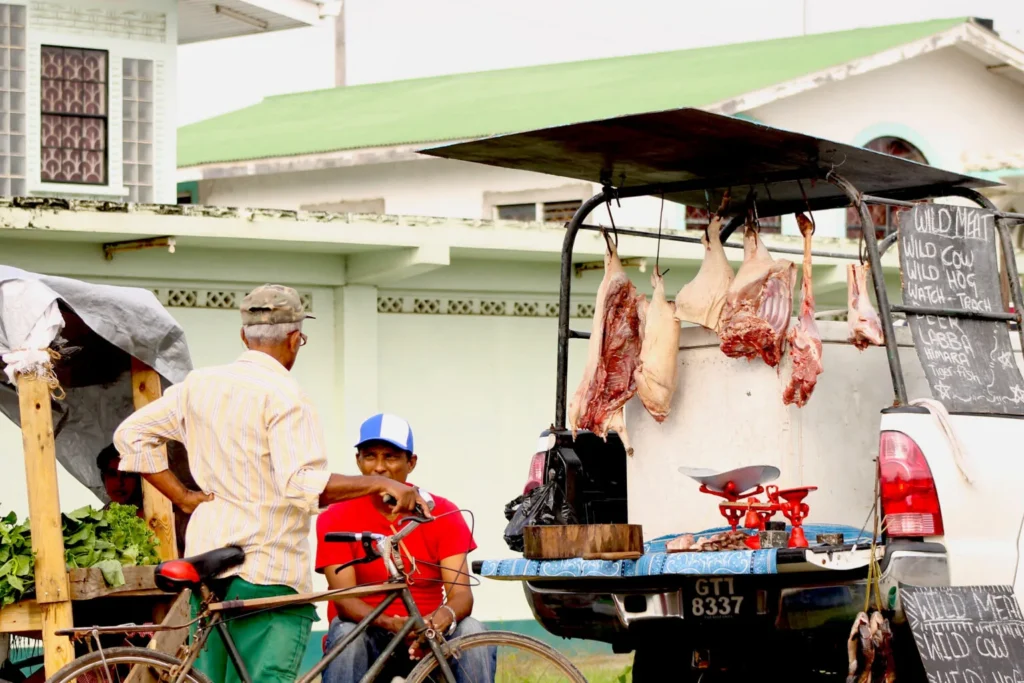
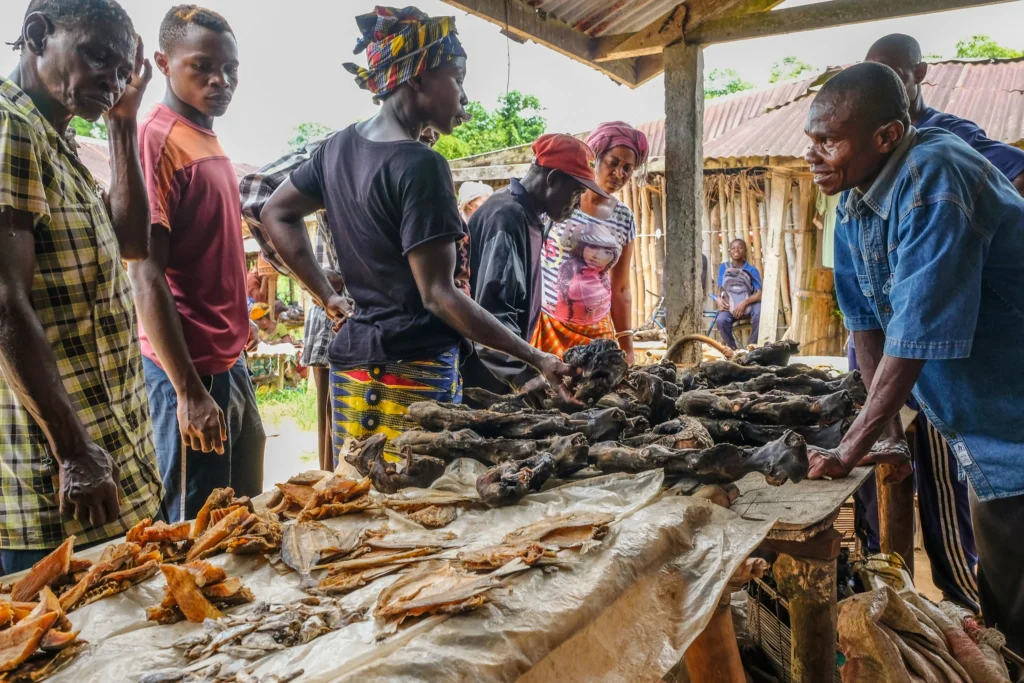
    Wild meat is sold at the weekly market in Yangambi, Democratic Republic of the Congo. Photo by Axel Fassio / Landscape Alliance

    “We support context-specific policies and management frameworks that build trust with those who depend on wild meat for food and income while also conserving healthy wildlife populations for future generations,” El Bizri said.

    Implementing global targets and tracking progress nationally 

    Complicating matters even further, countries have few reporting templates they can use to show progress on sustainable use.  

    For example, the only accepted indicator for measuring Target 5 focuses on fish stocks, despite the Target covering the much broader “sustainable, safe and legal use” of wild species. At COP17, El Bizri and others will share their work on a complementary indicator for Target 5, designed to help countries assess sustainable use more broadly.  

    El Bizri will also present reflections on potential indicators for wildlife use in the post-2030 framework, drawing on his work as a member of the Stakeholder Working Group of the IN-WILD project. Led by IUCN, TRAFFIC and the University of Oxford, the initiative develops indicators based on online marketplaces and social media data to generate near-real-time insights into wildlife trade dynamics.

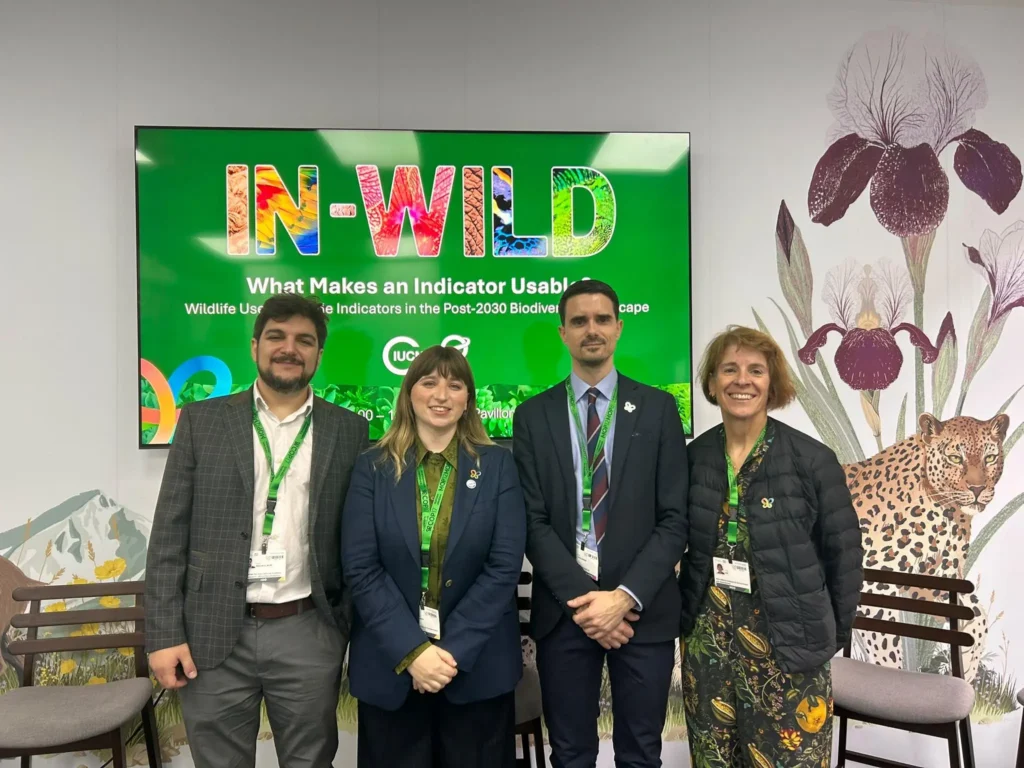
    Members of the IN-WILD project team at COP17 during a session on wildlife-use indicators for the post-2030 biodiversity framework. Photo provided by Hani Rocha El Bizri/Landscape Alliance

    Practical guidance and innovative tools

    Alongside better ways to measure progress, countries need practical guidance and innovative tools to support implementation. This year, the CBD Secretariat developed a voluntary draft global guidance for sustainable wildlife management in collaboration with the Convention on International Trade in Endangered Species of Wild Fauna and Flora (CITES), the Convention on the Conservation of Migratory Species of Wild Animals (CMS) and other key stakeholders. The guidance is expected to be considered for adoption by Parties during the conference. It moves beyond a narrow focus on wild meat or individual species while championing inclusive decision-making, diverse knowledge systems and equitable benefit-sharing.

    The Sustainable Wildlife Management (SWM) Programme will also present the Legal Hub, which is designed to help countries strengthen their national legal and policy frameworks for sustainable use and biodiversity conservation. 

    And the evidence base is growing, too. A recent ‘Special Feature’ in People & Nature highlights howsustainable and equitable wild meat consumption is key to achieving the KMGBF Targets. 

    Ultimately, it will be up to the Parties to decide how these tools and guidelines shape their approach to sustainable use. With growing scientific evidence, new approaches to monitor progress and stronger partnerships across sectors, COP17 is an opportunity for Parties to move closer toward a future where all species that people use are managed sustainably, equitably and safely. 

  • The other 70%: Why “30×30” won’t fix biodiversity loss on its own

    The other 70%: Why “30×30” won’t fix biodiversity loss on its own

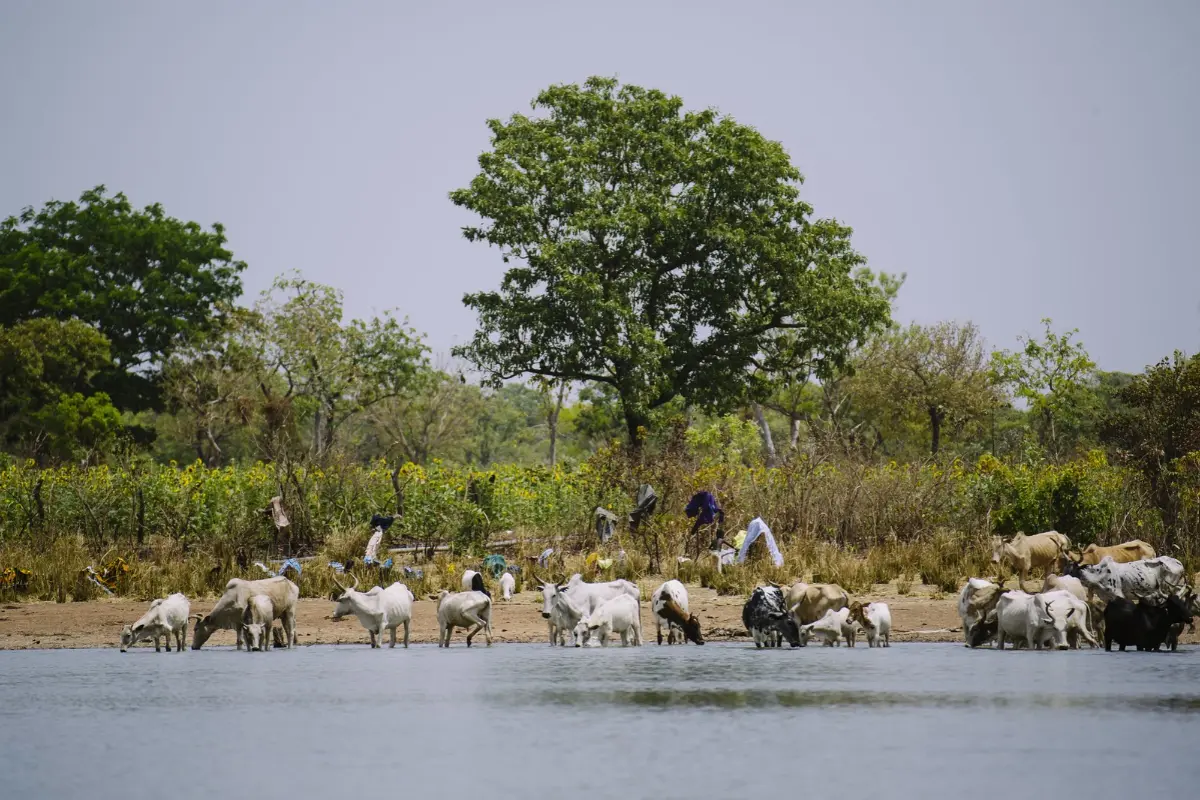
    Livestock and people depend on shared water resources in rural Burkina Faso. Photo by Olivier Girard / Landscape Alliance

    By Monica Evans

    22 Oct. 2026 — Don’t lose sight of the landscapes beyond protected areas, urge scientists as countries count progress towards the global biodiversity framework in Yerevan.

    This content was originally posted on Forests News and features a section on “sustainable use.”


    “Thirty by thirty” has become the biodiversity world’s best-known catchphrase. Target 3 of the Kunming-Montreal Global Biodiversity Framework (KMGBF) commits countries to effectively conserving at least 30% of the world’s land, inland waters and coastal and marine areas by 2030. As delegates gather in Yerevan, Armenia, this week for the 17th Conference of the Parties to the UN Convention on Biological Diversity (CBD COP17), that target will be under close scrutiny in the first global review of the framework’s progress.  

    The 30×30 ambition has captured global attention, mobilized commitments and given conservation a clear, measurable goal. But protecting 30% of the planet will mean little if biodiversity continues to decline across the remaining 70%. Delivering that ambition depends on how 30×30 works alongside the KMGBF’s other land-based targets — Target 2 on restoration and Target 10 on sustainable agriculture and forestry — across the landscapes where much of the world’s terrestrial biodiversity lives. Biodiversity conservation cannot stop at the boundaries of protected areas; it depends on how entire landscapes are managed.

    …

    The sustainable use question

    Sustainable use and biodiversity conservation are often framed as competing priorities. Yet when properly managed, they can reinforce one another — protecting wild species populations while sustaining the livelihoods, nutrition and cultural practices of people who depend on them. This relationship is reflected in two of the KMGBF’s targets: Target 5 aims to ensure that the use, harvesting and trade of wild species is sustainable, safe and legal, while Target 9 seeks to ensure that sustainable use continues to benefit people, particularly communities dependent on biodiversity.

    Balancing the two is no simple task. Wildlife hunting, for example, is frequently seen solely negatively, as a biodiversity threat and source of zoonotic disease. “Overexploitation of wild species, including overhunting, is a major driver of biodiversity loss,” acknowledges Lauren Coad, Landscape Alliance senior scientist and biodiversity focal point. “But it is also an important source of nutrition, income and cultural connection for more than 150 million households in the Global South.” 

    A recent Landscape Alliance-linked study found that wild meat food systems are the “backbone” of food security for more than 11 million people across Amazonia, and are critical for the cultural identities and territorial rights of Indigenous Peoples, traditional communities and smallholder farmers.  

    Other Landscape Alliance-led research shows that across 12,000 households in Central Africa, wild meat provided 20% of rural people’s recommended daily protein. Yet it also found that urban consumption was growing rapidly, increasing demand and raising the urgency of sustainable management strategies. The authors concluded that reducing urban consumption is crucial for keeping wildlife populations thriving and wild meat available for rural communities.

    Comparable evidence from Asia and the Pacific remains limited. A systematic mapping exercise covering research on wild meat use in Southeast Asia from 2000 to 2023 found that studies were concentrated in a few countries, with Singapore, Brunei and Timor-Leste each represented by just one study. Research has also focused largely on documenting hunting frequency, quantities and prices, with less attention to the social drivers of wild meat use, zoonotic disease mitigation and the effectiveness of interventions. Through regional research and initiatives such as the Wild Meat Dialogues, Landscape Alliance and its partners are working to address these gaps through regional research on wild meat use, consumption and trade, including their implications for food security, livelihoods and biodiversity conservation.

    These findings show why sustainable use and conservation must be addressed together, rather than through blanket restrictions that overlook local realities. Bans may be necessary in some contexts, particularly for threatened species or where harvesting is unsustainable, but poorly designed restrictions can undermine food security and livelihoods without necessarily reducing demand.

    Wild meat is sold at the weekly market in Yangambi, Democratic Republic of the Congo. Photo by Axel Fassio / Landscape Alliance

    “Bans do not often stop people from consuming or trading wild species, but they can drive these practices underground, making it harder for people to support themselves and increasing the risks of zoonotic disease transmission from unregulated sources of wild species,” says Hani Rocha El Bizi, lead coordinator of the Sustainable Use of Wild Species Transformative Partnership Platform (SU-TPP) and scientist with the Landscape Alliance COP17 delegation. 

    “We support context-specific policies and management frameworks that build trust with those who depend on wild species for food and income while also conserving healthy wildlife populations for future generations.”

  • Special Feature argues sustainable and equitable wild meat is key to achieve GBF targets

    Special Feature argues sustainable and equitable wild meat is key to achieve GBF targets

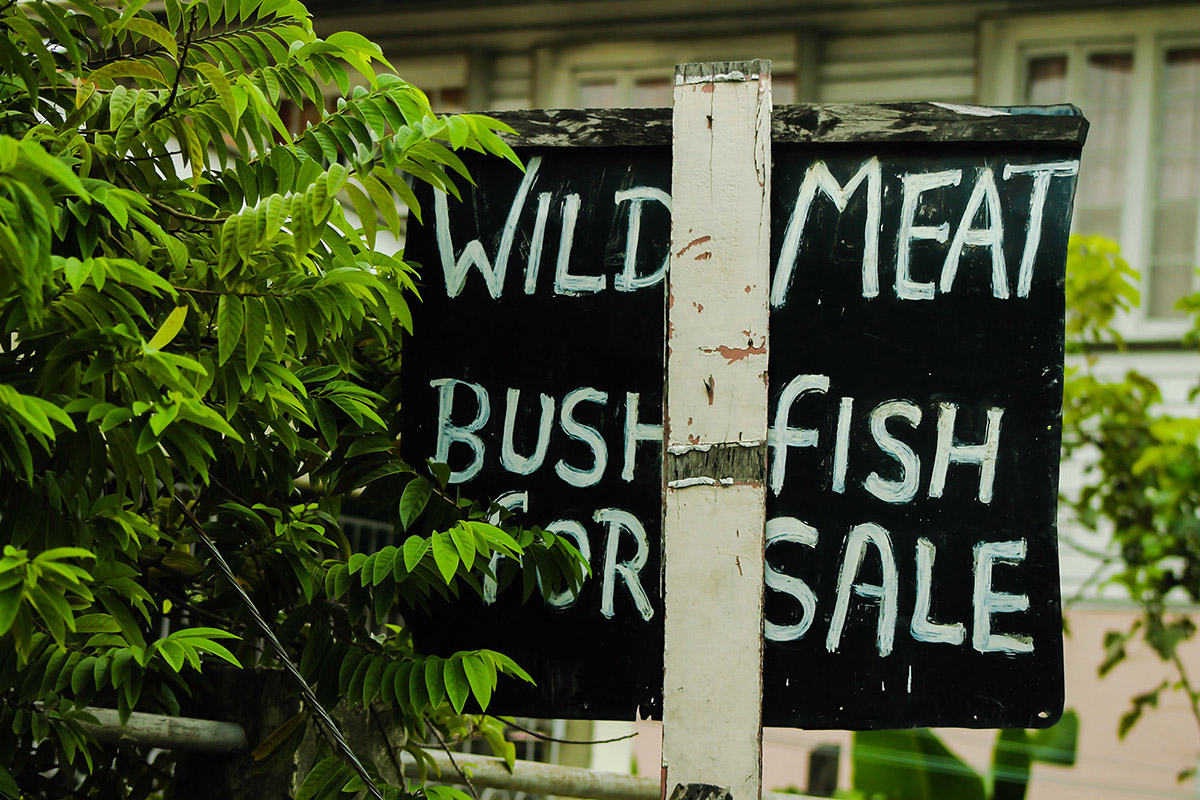
    A sign advertises wild meat and bush fish for sale on Guyana’s coast. Photo by Manuel Lopez/Landscape Alliance

    7 Oct. 2026 — This article was originally posted as a press release on Landscape Alliance. For media inquiries, please contact Daniella Silva (d.silva@landscapealliance.org)


    A ‘Special Feature’ in People and Nature signals growing momentum around the need to ensure any consumption of wild animal meat is sustainable and equitable, which scientists say is vital to realize the Kunming-Montreal Global Biodiversity Framework (GBF) targets.

    Hunting for food and trade is one of the most common ways that people use wildlife. There is strong evidence that wild meat contributes to food and nutritional security, livelihoods and cultural activities. But growing social and economic shifts have made wild meat more accessible to more people in a way that threatens biodiversity, increases human health risks and, in some cases, disenfranchises the local communities who rely on it.

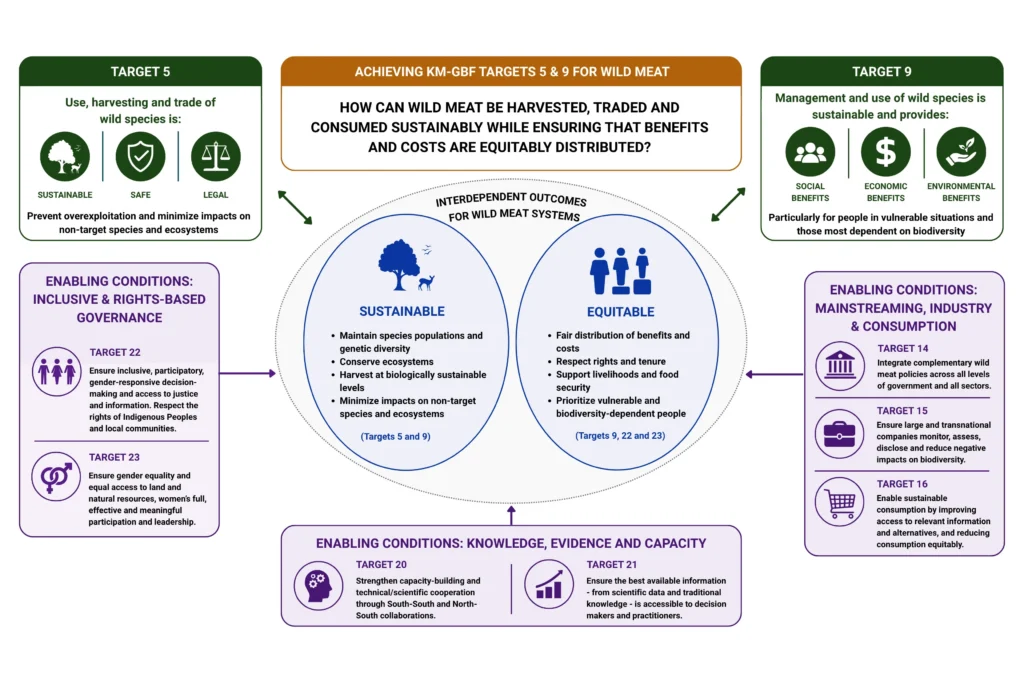
    The Special Feature shares research from scientists in more than 12 countries across four continents to better understand how wild meat can be harvested, traded and consumed sustainably, while ensuring that benefits and costs are equitably distributed (Fig. 1). These conditions are a prerequisite for achieving Targets 5 and 9 of the GBF.

    A collaborative effort

    The resulting collection is a collaborative effort between the Durrell Institute of Conservation and Ecology (DICE) at the University of Kent and partners of the Sustainable Wildlife Management (SWM) Programme and the TRADE Hub (the United Nations Food and Agriculture Organization (FAO), Landscape Alliance, Wildlife Conservation Society (WCS), University of Oxford and the French Agricultural Research Centre for International Development (CIRAD). This research will also enrich two new and growing communities of practice that center on ‘sustainable use’ of wild species: The Sustainable Use of Wild Species TPP and the Central Africa Bushmeat Research Into Policy (CA-BRIP) Network.

    “This shared research outcome is timely and encouraging in light of the upcoming UN Biodiversity Conference this month. Wide partnerships like these provide a solid foundation of evidence that negotiators can build on to make decisions that benefit everyone.”

    – Dr Daniel Ingram, Durrell Institute of Conservation and Ecology, University of Kent.

    The two main KM-GBF targets (targets 5 and 9) relevant for achieving sustainable and equitable wild meat trade systems, with other enabling targets indicated (targets summarised from CBD, 2022). ChatGPT Edu was used to inform the initial style and layout of this figure, which was then extensively edited in Canva.

    Ways forward

    The editorial synthesizes research in the Special Feature into three pathways to achieve sustainability and equitability in the wild meat sector:

    1. Ethics and equity at the core – solutions should consider the specific context at each site and differentiate between dependence versus preference for wild meat.
    2. Building a bigger evidence base through monitoring and evaluation – determining the effectiveness of interventions and sharing results among practitioners and policymakers.
    3. Improving indicators to track progress towards achieving the GBF targets – for example by focusing on whether countries have the policy frameworks and processes in place to prevent overexploitation, minimize impacts on non-target species, reduce the risk of disease spillover, and respect, protect and support customary sustainable use in order to achieve Target 5.

    “By drawing on such a diverse array of case studies, the Special Feature facilitates cross-country learning on how management interventions or broader societal changes can affect wild meat systems in different contexts, providing useful insights for inclusive decision-making processes.”

    – Dr Juliet Wright, Interdisciplinary Centre for Conservation Science, University of Oxford.

    “The research results presented in this issue demonstrate that wild meat lies at the intersection of wildlife and food, wildlife conservation and use, and biological and social dynamics. As such, it provides a powerful entry point for understanding these interactions and for designing more sustainable relationships between people and their environment.”

    – Dr Muriel Figuié, CIRAD

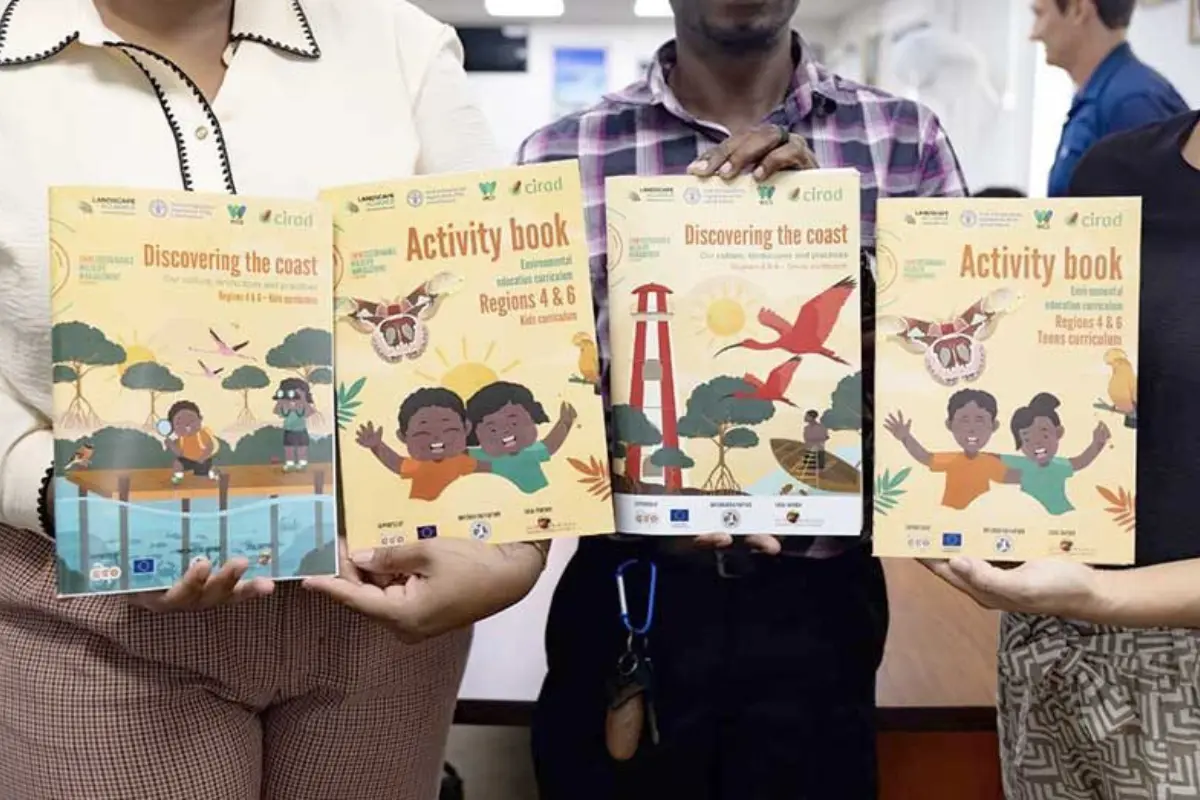
  • New Environmental Education Curriculum carries forward sustainable wildlife programme in Guyana

    New Environmental Education Curriculum carries forward sustainable wildlife programme in Guyana

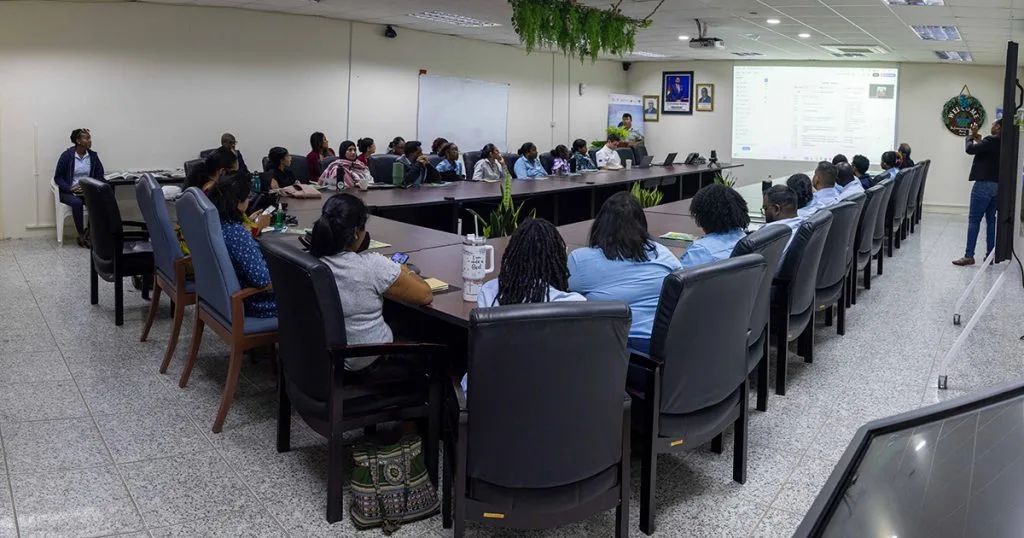
    Stakeholders of the Sustainable Wildlife Management (SWM) Programme gather for the final meeting of the project, Phase 2. Photo by Luke McKenna/FAO

    This content was originally posted on Landscape Alliance.


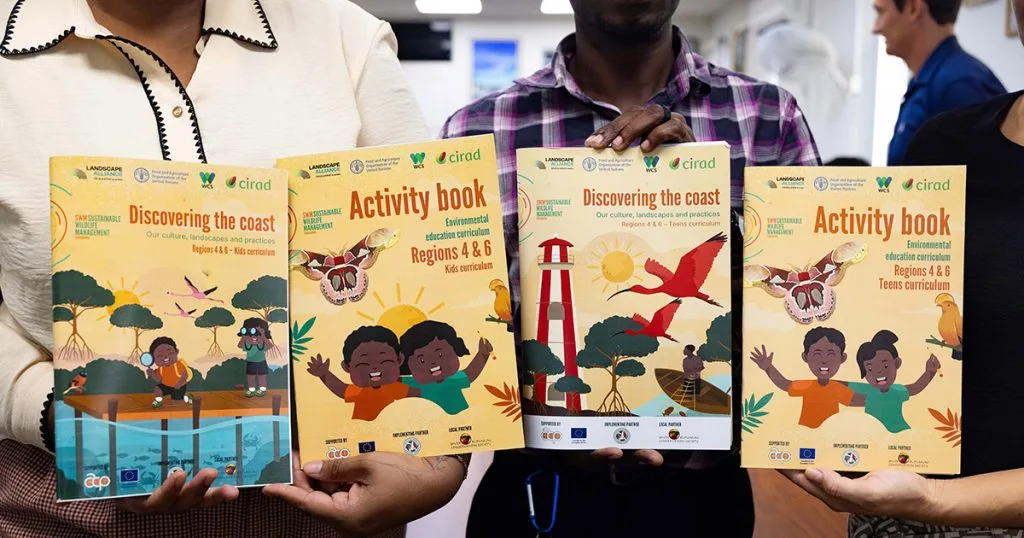
    July 2026 — Guyana marked two conservation milestones this month: The launch of a new Environmental Education Curriculum (EEC) for Regions 4 and 6, and the conclusion of the Sustainable Wildlife Management (SWM) Programme’s Phase 2 — representing eight years of engagement in the country.

    At the closing event in Georgetown, SWM Programme Country Coordinator, Oswin David, praised the years of collective achievements, thanked key stakeholders, and set the scene for ongoing impacts.

    “This eight-year initiative…has provided a roadmap for how we can effectively balance conservation and human development in Guyana,” he said.

    The Landscape Alliance led the SWM Programme work in Guyana, and activities were implemented through the Guyana Wildlife Conservation and Management Commission (GWCMC) with support from the European Union, the Food and Agriculture Organization (FAO), and local partners such as the South Rupununi Conservation Society (SRCS) and Caiman House Inc.

    Alona Sankar, Commissioner of GWCMC, echoed her support for the Programme’s work:

    “From the Commission’s perspective, the SWM Programme has been instrumental in supporting our core mandate to conserve, protect, manage, and sustainably utilize wildlife, as well as regulate both internal and external trade,” she said.

    “Furthermore, the addition of the Biodiversity Component in 2024 has been invaluable. Its goal of developing cost-effective, scientifically verifiable monitoring methods aligns perfectly with the initiative launched by His Excellency at the Global Biodiversity Alliance Summit. These findings will guide our national policies and bolster our efforts in sustainable development and conservation.”

    The Biodiversity Component Sankar mentioned has engaged seven villages across the Rupununi to evaluate the cost-effectiveness of six monitoring methods: camera trapping, passive acoustic monitoring, bird counts, environmental DNA (eDNA), local ecological knowledge, and fish stock assessments.

    Over 700 individual species have been identified so far, and the team has created a regional Artificial Intelligence (AI) model capable of identifying 445 species classes — one of the largest regional identifying databases available.


    Acknowledgements

    The SWM Programme in Guyana is implemented by Landscape Alliance [formerly called the Center for International Forestry Research and World Agroforestry (CIFOR-ICRAF)] and the Guyana Wildlife Conservation and Management Commission (GWCMC) as the National Focal Point.

    The SWM Programme extends its sincere gratitude to all of the biodiversity rangers and villagers involved in the biodiversity component of the programme, without whom none of this would be possible. Special thanks go to the European Union for its generous funding in making this initiative possible; the Guyana Wildlife Conservation and Management Commission (GWCMC) for its keen interest and partnership; thanks to the Food and Agricultural Organization (FAO) of the United Nations for all assistance during the project; to all the local partners of the Programme (South Rupununi District Council, South Rupununi Conservation Society, Visit Rupununi, Rupununi Livestock Producers Association, Caiman House Inc., and North Rupununi District Development Board) for their passionate work in their activities; and to all staff of the Programme.

    About the SWM Programme

    The SWM Programme is a major international initiative that aims to improve the conservation and sustainable use of wildlife in forest, savannah and wetland ecosystems. It is funded by the European Union, with co-funding from the French Facility for Global Environment (FFEM) and the French Development Agency (AFD). Projects are being piloted and tested with governments and communities in 16 participating countries. The initiative is coordinated by a dynamic consortium of four partners, led by the Food and Agriculture Organization of the United Nations (FAO) with the Center for International Forestry Research and World Agroforestry (CIFOR-ICRAF), the French Agricultural Research Centre for International Development (CIRAD) and the Wildlife Conservation Society (WCS).
  • First large-scale map of Amazon wild meat wins top MapBiomas prize

    First large-scale map of Amazon wild meat wins top MapBiomas prize

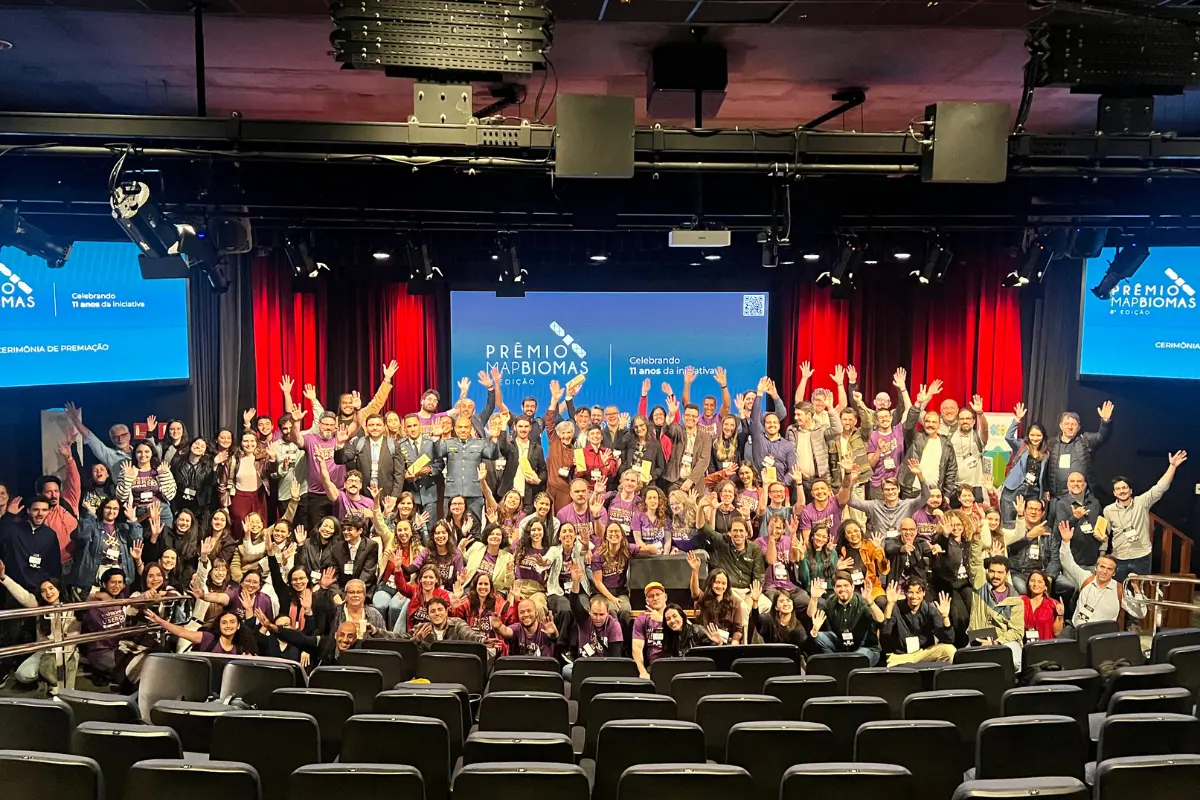
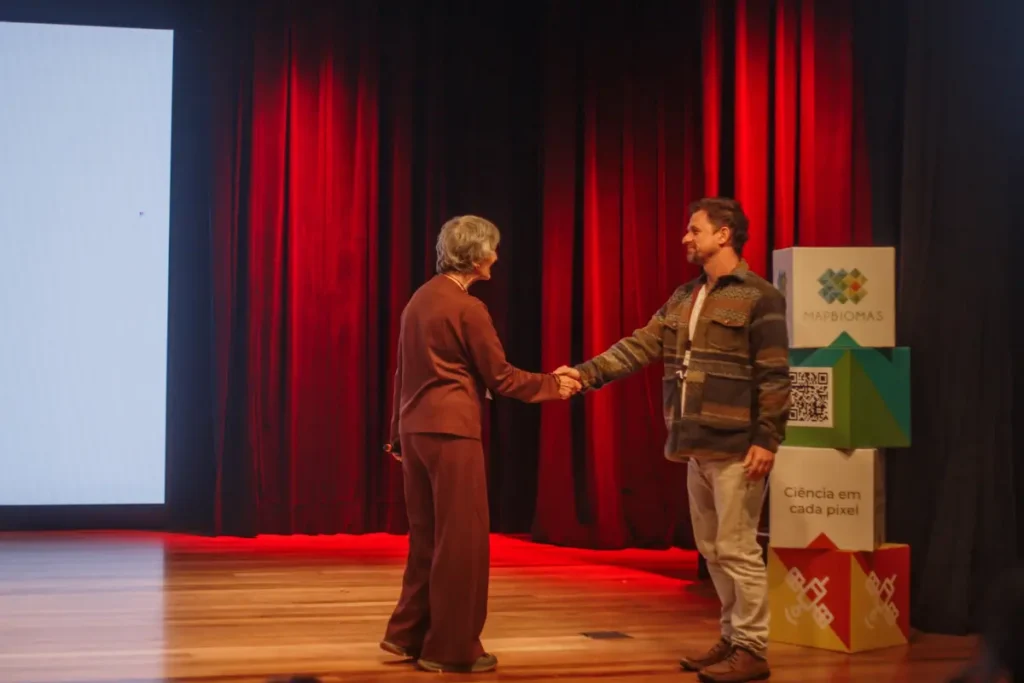
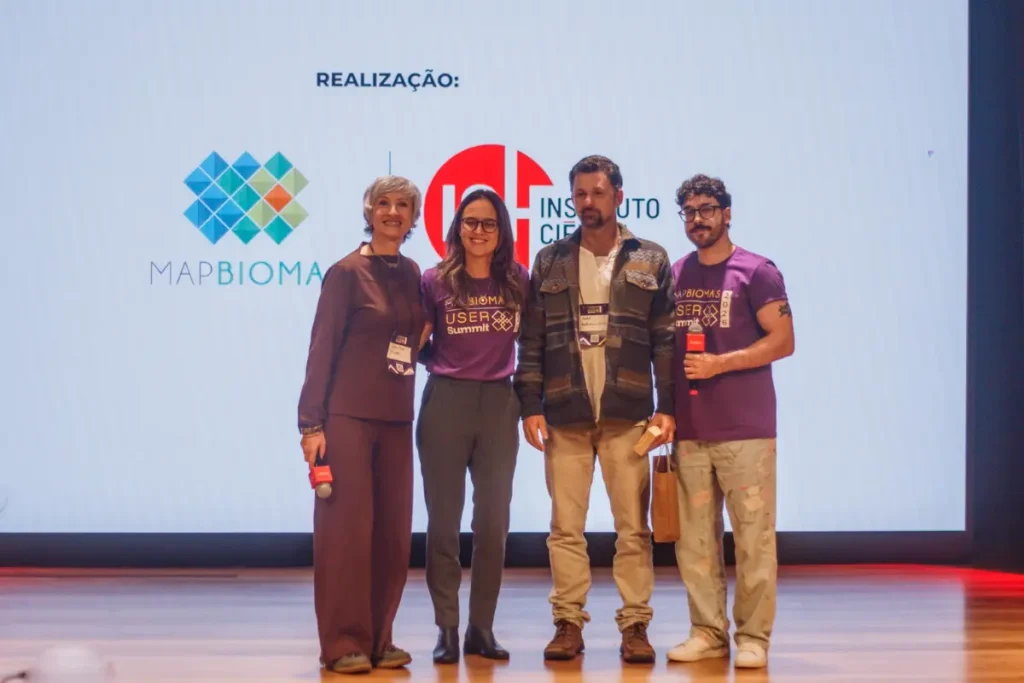
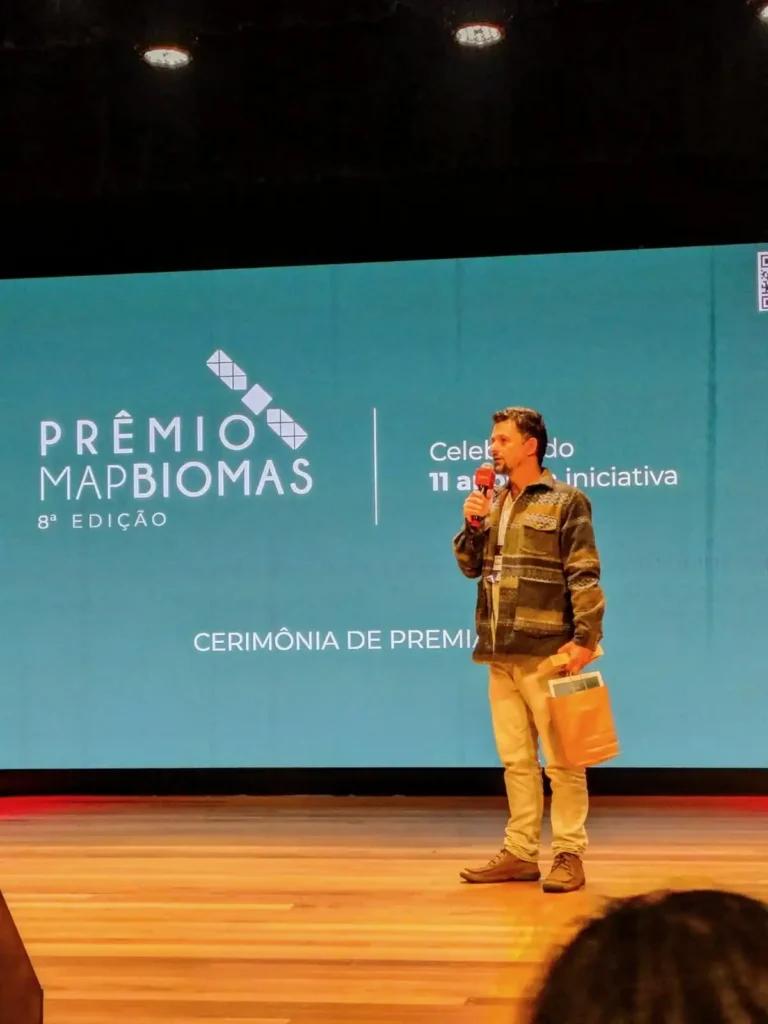
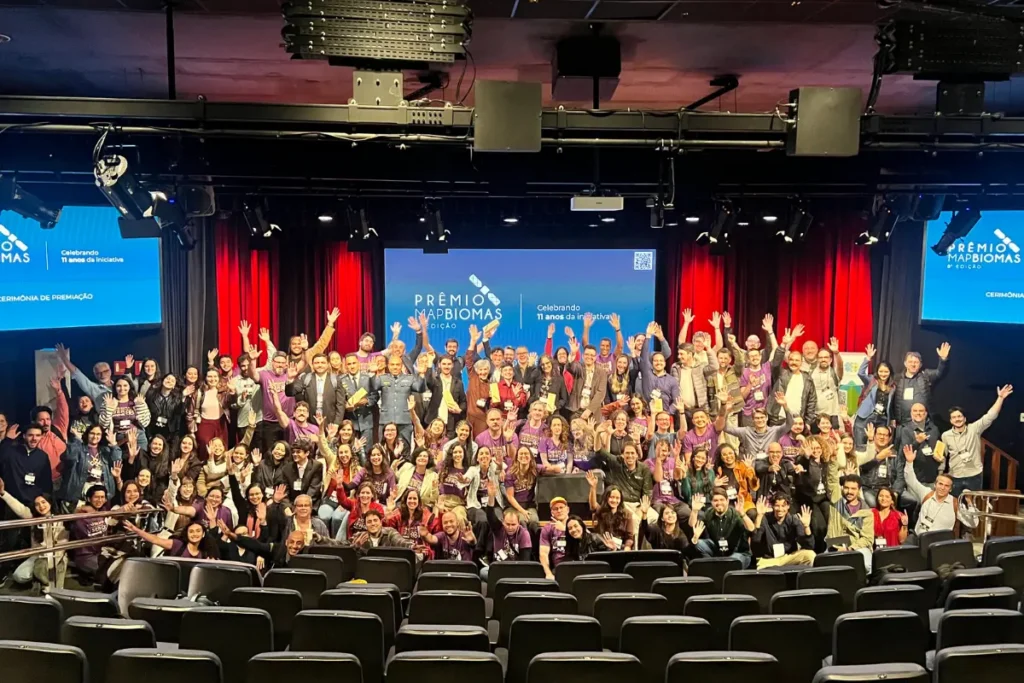
    Attendees of the MapBiomas Brasil award ceremony 2026 in São Paulo. Photo provided by André Antunes.

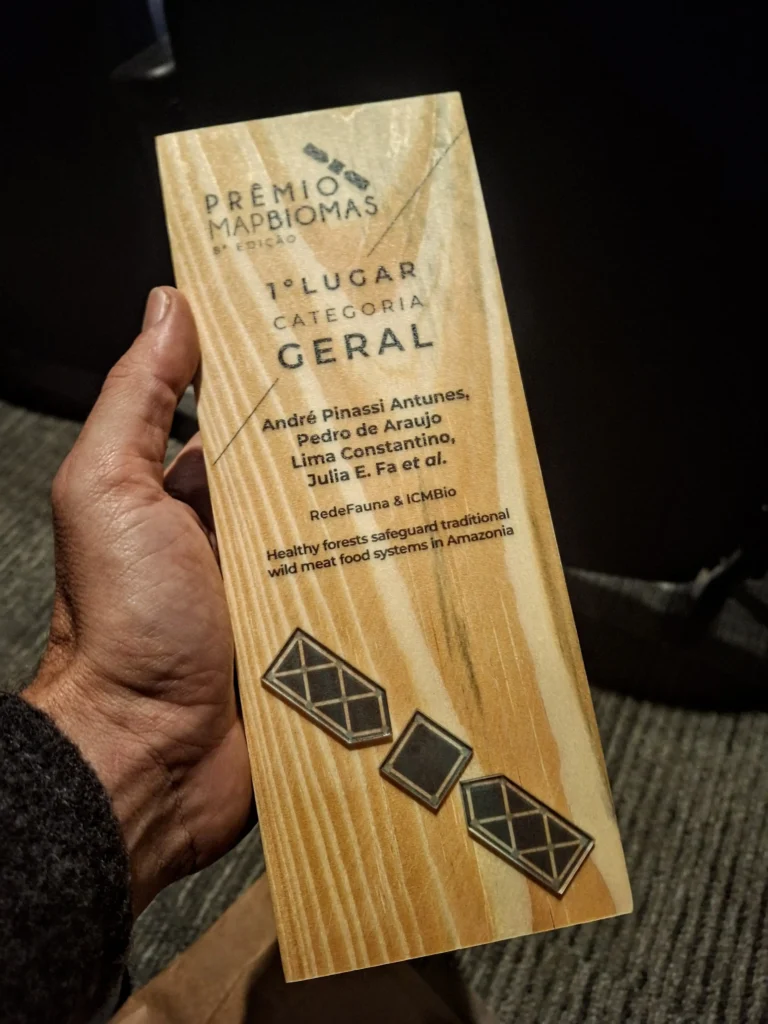
    July 2026 — A team of scientists linked to the Sustainable Use of Wild Species Transformative Partnership Platform (SU-TPP) won the first place MapBiomas Brasil award (general category) for their article published in Nature: Healthy forests safeguard traditional wild meat food systems in Amazonia.  

    The prize recognizes scientific works that make use of MapBiomas data. 

    This winning paper is a collaboration between nearly 50 institutions and Indigenous organizations, including steering members of the SU-TPP: Landscape Alliance, Rede de Pesquisa em Conservação, Uso e Manejo da Fauna da Amazônia (RedeFauna), Manchester Metropolitan University (MMU), and University of Oxford. 

    Lead author, André Antunes, accepted the award on behalf of the entire team in São Paulo, Brazil, earlier this month. 

    “This study confirms that wild meat is not only a vital source of protein and micronutrients — it is the backbone of food security for millions of Amazonian residents. Protecting forests means protecting nutrition, livelihoods, and cultural heritage.” — André Antunes, lead study author

    Why it matters

    The MapBiomas award is one more recognition of this landmark study, which is “the first large-scale effort to map wild meat hunting across the entire Amazon,” according to Hani Rocha El Bizri, study author and lead coordinator of the SU-TPP. 

    Drawing on data from more than 600 communities spanning almost six decades, scientists demonstrated that wild meat is vital for the food security and nutrition of 11 million rural Amazonians. It is also a foundation of cultural identity and territorial rights for Indigenous People, traditional communities and smallholder farmers.  

    “Studies such as this, which highlight the importance of the use and sustainable management of wildlife for our peoples, are in full alignment with our efforts to preserve the traditional relationship we maintain with nature. The results of this research have the potential to strengthen our debate at national and Amazonian scales, reinforcing the need to protect our territories for the continuity of our sustainable traditional practices, which are essential for the food security and nutritional well-being of our peoples.” — Statement from the Coordination of Indigenous Organizations of the Brazilian Amazon (COIAB) 

    MapBiomas data specifically were used to calculate the proportion of habitat loss from deforestation.

    What’s next? 

    The prize comes with a financial reward of BRL 15,000 (about USD 3000), which will be used to purchase field equipment for ongoing research. 

    Visit the project page on “Wild meat food systems in the Amazon” to learn more.

    Wild meat food systems in the Amazon

    Understanding the role of wild meat in food security and nutrition across the Amazon

    First large-scale map of Amazon wild meat wins top MapBiomas prize